
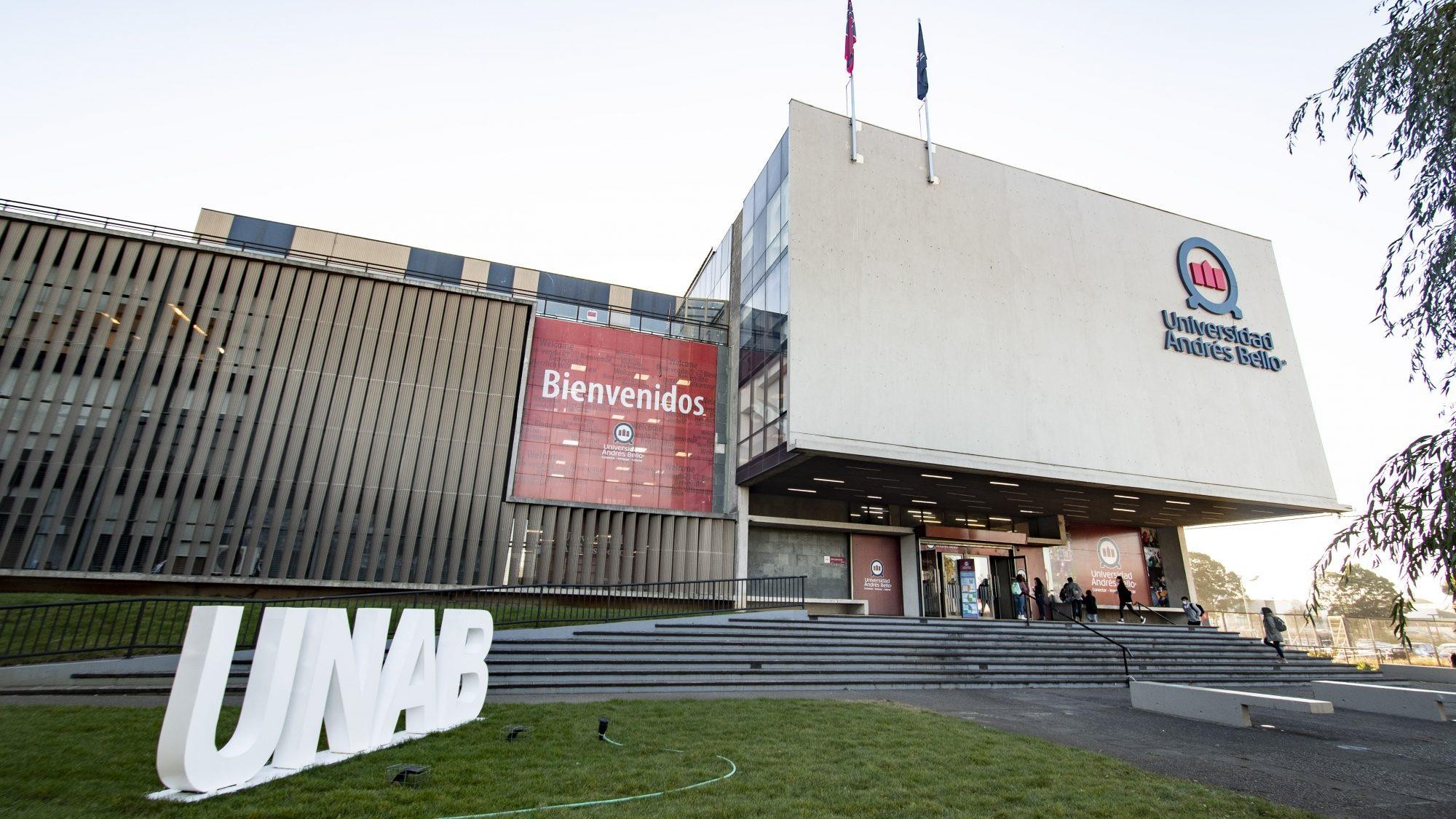
On Wednesday, March 11, 2026, Andrés Barrios presented his paper “Elite Universities and the Intergenerational Transmission of Human and Social Capital” at a seminar hosted by the Instituto de Políticas Económicas Andrés Bello.
The paper examines a central question in higher education and inequality: whether elite universities serve as engines of social mobility for talented students from lower-status backgrounds, or whether they reinforce the advantages of already privileged groups. Using intergenerationally linked data from Chile and a regression discontinuity design, the study provides evidence that both dynamics are at play.
Barrios shows that individuals from lower-status backgrounds who gain admission to elite university programs significantly transform the social environment of their children. In particular, their children are more likely to attend high-status private schools and universities, live in higher-status neighborhoods, and form friendships with peers from more advantaged backgrounds. However, the study finds no corresponding effects on academic achievement.
In contrast, for individuals from higher-status backgrounds, elite universities contribute to maintaining their position within the social hierarchy. By combining descriptive evidence with quasi-experimental estimates, the paper concludes that elite institutions strengthen the connection between social and human capital, while ultimately reducing intergenerational social mobility.
The presentation contributed to ongoing discussions on the role of higher education systems in shaping inequality and opportunity, highlighting the complex and sometimes unintended consequences of elite institutional access.


